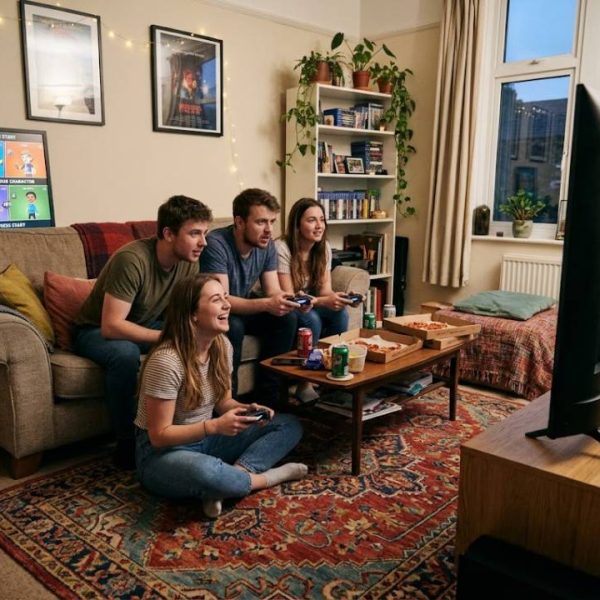
A player opens your game for the first time. The menu looks sharp, the music is great, and then the first quest description makes no sense. Within minutes, the game is closed and a bad review is on its way. Localization decides whether players stay or leave.
More than word for word translation
Games are interactive stories. Text appears in menus, tutorials, item names, dialogue, achievements, store pages and support messages. Each piece has a different style and length. Localization adapts all of them so the experience feels natural in every market.
Plan localization from the start
The cheapest time to prepare is before the first line of code. Keep text outside the code, use placeholders for names and numbers, and leave space for longer words. Studios that wait until the end often face expensive fixes.
A game that is built for localization from day one reaches new markets faster and with fewer bugs.
Give translators context
A single word like "charge" can mean attack, price or battery. Translators need to know who speaks, what is happening on screen and what the player must do. Provide screenshots, character notes and short descriptions for every string.
Choose partners with gaming knowledge
Players notice when a translator does not know games. Terms for stats, controls and genres follow conventions that fans expect. A provider with strong game localization services can match genre language, keep character voices distinct and flag problems before release.
Humor, references and culture
Jokes and pop culture references rarely survive a direct translation. Rework them so they land with the local audience, or replace them with a similar idea. Symbols, colors and gestures should be checked for cultural issues.
Text expansion and user interface
German and Russian text can be much longer than English. Buttons and menus may overflow if the design has no flexibility. Test each language on real devices and in real resolutions.
Voice, subtitles and timing
Voiced dialogue needs a script that fits the length of the original performance. Subtitles must be readable and in sync. For cutscenes, plan separate timing for each language. Our guide on multi language customer support also shows how the same care in tone applies once players need help after launch.
Names, terms and consistency
Keep a glossary of character names, places, items and special terms. Decide which ones stay in English and which are adapted. Consistency across game, store page and marketing builds trust.
Ratings, laws and platform rules
Age ratings, regional laws and platform guidelines affect what text is allowed. Some regions restrict certain themes or symbols. Review each market early to avoid last minute changes that delay launch.
Testing with native speakers
Linguistic testing finds typos, cut off text and wrong context. Testers should play the game, not just read spreadsheets. Their feedback shows how the text feels in the flow of play.
Store pages and marketing
Store descriptions, trailers and social posts are your first impression. Adapt keywords, screenshots and trailers to each language. Short, punchy copy often performs best.
Community and support
Players talk to each other and to your team. Prepare replies, forum rules and update notes in local languages. A friendly community builds loyalty and gives early feedback.
Updates and live service games
Seasonal events and patches create a constant flow of new text. Use a translation memory and a pipeline that sends new strings to translators automatically, so players in every language get updates at the same time.
Learning from the industry
Professional groups such as the International Game Developers Association share articles and guidelines on localization and quality, which can inspire your own workflow.
Mobile and casual games
Mobile players expect short, clear text on small screens. Every word counts, and notifications must be friendly rather than pushy. Test how translated text looks on different phone sizes, and keep button labels short.
Role playing and story heavy games
Long narratives need a consistent voice. Assign a lead translator who knows the tone of each character and can brief colleagues. Review key scenes with native speakers to make sure emotions come across.
Accessibility options
Subtitle size, background and speaker labels help many players. Offer clear settings in every language and make sure the interface text for these options is easy to understand.
Budget and priorities
You do not need to localize into every language at once. Look at wishlist data, player locations and market size to choose the first wave of languages, and expand when results justify it.
Keeping a style guide
A short style guide with tone, terms and examples saves time with each new translator. Update it after every release so that lessons from players and testers are never lost.
Share wins with your team and celebrate good reviews from local players, because they show that careful localization pays off.
Collect player feedback by language and turn it into a short list of fixes for the next update.
Final thoughts
Good localization makes players feel the game was made for them. With early planning, context, skilled partners and careful testing, your game can win hearts in every language.